Discover how a General Contractor (GC) Can Boost Efficiency and Ensure Success in Your Construction Projects
A commercial builder plays an essential role in the construction field. Their expertise simplifies project oversight, leading to improved performance and successful outcomes. By managing communication among involved parties and utilizing their network with subcontractors, they assist in navigating the complexities of construction projects. Familiarity with local regulations also reduces potential legal problems. This prompts a vital inquiry: how do these factors come together to transform the construction process?
The Role of a General Contractor
A commercial general contractor orchestrates the complex process of construction projects, ensuring that every aspect runs without issue from start to finish. They serve as the main point of contact, coordinating between various involved parties, including owners, subcontractors, and suppliers. This role involves detailed planning, scheduling, and budgeting to keep projects on schedule and financial constraints.
The contractor oversees all construction activities, ensuring compliance with building codes, safety regulations, and quality standards. They are tasked with securing necessary permits and addressing any legal requirements required for the work. In addition, they oversee the crew, assigning tasks to skilled tradespeople while watching output and productivity.
In addition to supervising site activities, the contractor resolves any problems or delays that arise, adjusting strategies as necessary to ensure timely completion. This thorough supervision is essential for lowering risk and guaranteeing the successful outcome of commercial construction projects.
Benefits of Employing a GC
Hiring a general contractor yields several benefits that can significantly improve the efficiency and success of a construction job. One significant benefit is their skill in overseeing complex projects, facilitating easier communication among various stakeholders. This unified approach reduces miscommunication and reduces possible delays.
Moreover, general contractors have existing connections with subcontractors and suppliers, securing quick access to high-grade supplies and qualified workers. This connection can lead to reduced expenses and improved project timelines.
Contractors provide a deep understanding concerning local construction laws and rules, which helps avoid regulatory problems and hefty fines.
Furthermore, employing a contractor allows project owners to focus on their main business goals, instead of dealing with daily construction management tasks. Overall, the involvement of a general contractor can result in a more systematic, streamlined, and successful construction endeavor, which ultimately results in a better ROI.
Key Responsibilities in Construction Oversight
Successful project execution copyrights on several key responsibilities that a general contractor has to fulfill throughout the construction process. Key to this position involves creating a precise project outline, which details the aims, deadlines, and financial limits. The contractor collaborates with various stakeholders, such as architects, subcontractors, and vendors, ensuring smooth communication and teamwork.
Additionally, they oversee resource allocation, overseeing workers and materials to improve productivity. Risk assessment is also a vital duty, as the contractor must identify potential issues and implement strategies to mitigate them. Frequent oversight of work is vital; the contractor assesses finished work compared to project goals, modifying plans when needed to keep on schedule.
In addition, a general contractor ensures adherence to building laws and safety guidelines, fostering a secure work environment. Via these tasks, they maintain a thorough approach in project oversight, leading to total success in construction endeavors.
General Contractors: Ensuring Projects Finish On Time
Although scheduling difficulties are frequent in construction, general contractors utilize strategic methods and active administration to ensure projects finish on schedule. They first establish detailed timelines that specify all project phases, listing key stages and due dates. When separating the work into smaller tasks, they are able to assign resources efficiently and predict future holdups.
Consistent tracking of work is also a vital element; general contractors assess project status compared to the set schedule, permitting changes when needed. They utilize risk mitigation, spotting possible problems soon and devising contingency plans to mitigate disruptions.
In addition, general contractors keep solid connections with vendors and subs, guaranteeing labor and materials are accessible at the right time. This proactive approach fosters accountability across all involved parties, resulting in a optimized work procedure. In the end, these methods culminate in greater effectiveness, reducing the likelihood of cost overruns and ensuring that projects are delivered punctually.
Enhancing Communication and Collaboration on Site

To boost information flow and collaboration on construction sites, general contractors implement defined procedures that aid the movement of data for everyone involved. Such procedures typically involve regular meetings, defined ways to report problems, and the utilization of software that enable immediate status visit resource reports. By creating a structure for discussion, contractors make certain that all stakeholders—architects, subcontractors, and workers—are united regarding project goals and timelines.
Furthermore, promoting openness helps to address concerns promptly, minimizing the chance of misunderstandings that could result in postponements. Contractors also encourage feedback from all levels of the workforce, knowing that perspectives from field workers can considerably improve project efficiency. By focusing on dialogue and collaboration, general contractors not only streamline operations but also boost employee satisfaction, in the end leading to the success of construction efforts. The result is a better integrated workplace where challenges are met with collaborative resolution.
FAQs
What Qualifications Should I Look for in a GC?
When looking for a GC, one should look for attributes such as licensing, insurance, proven expertise, excellent recommendations, and effective communication skills. These factors contribute greatly to successful project execution and total customer contentment.
What is the Process for GCs Regarding Project Budgeting?
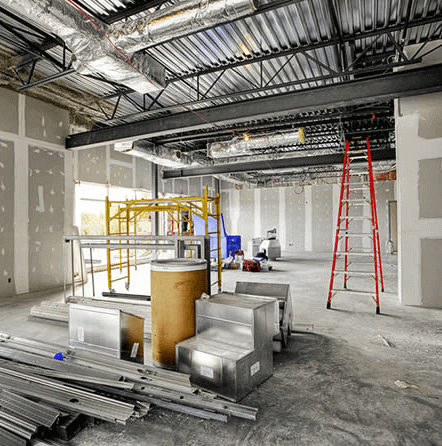
General contractors handle job finances by determining prices, securing bids from subcontractors, tracking expenses throughout the project, and making budget changes as required. Hickory top rated Commercial General Contractor. They ensure that funds are appropriate for the project, boosting productivity and lessening fiscal dangers
Will a General Contractor Aid With Permits and Regulations?
Yes, a general contractor can assist with permits and regulations by navigating the complicated rules, guaranteeing adherence to local regulations, and facilitating the application process, ultimately streamlining project progression and reducing possible holdups for customers.
What Is the Typical Timeline for Hiring a General Contractor?
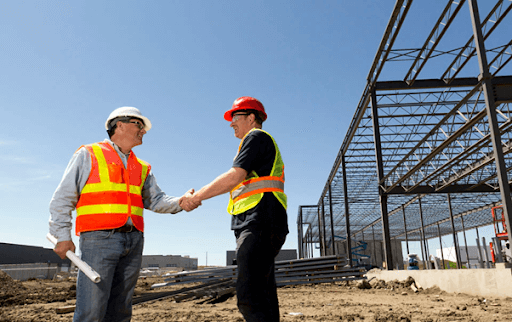
The standard timeframe for hiring a general contractor ranges from a few weeks to several months, contingent upon the project's intricacy, the availability of the contractor, and the client's decision process, which ensures proper planning and that goals are aligned with construction. - Hickory top rated Commercial General Contractor
- Hickory top rated Commercial General Contractor
What Methods Do General Contractors Use to Effectively Manage Subcontractors?
Effective management of subcontractors by general contractors is achieved by establishing clear communication, setting defined expectations, regularly monitoring progress, and aligning timelines. General contractors ensure all parties know their roles, fostering collaboration to maintain project timelines and meet quality requirements.